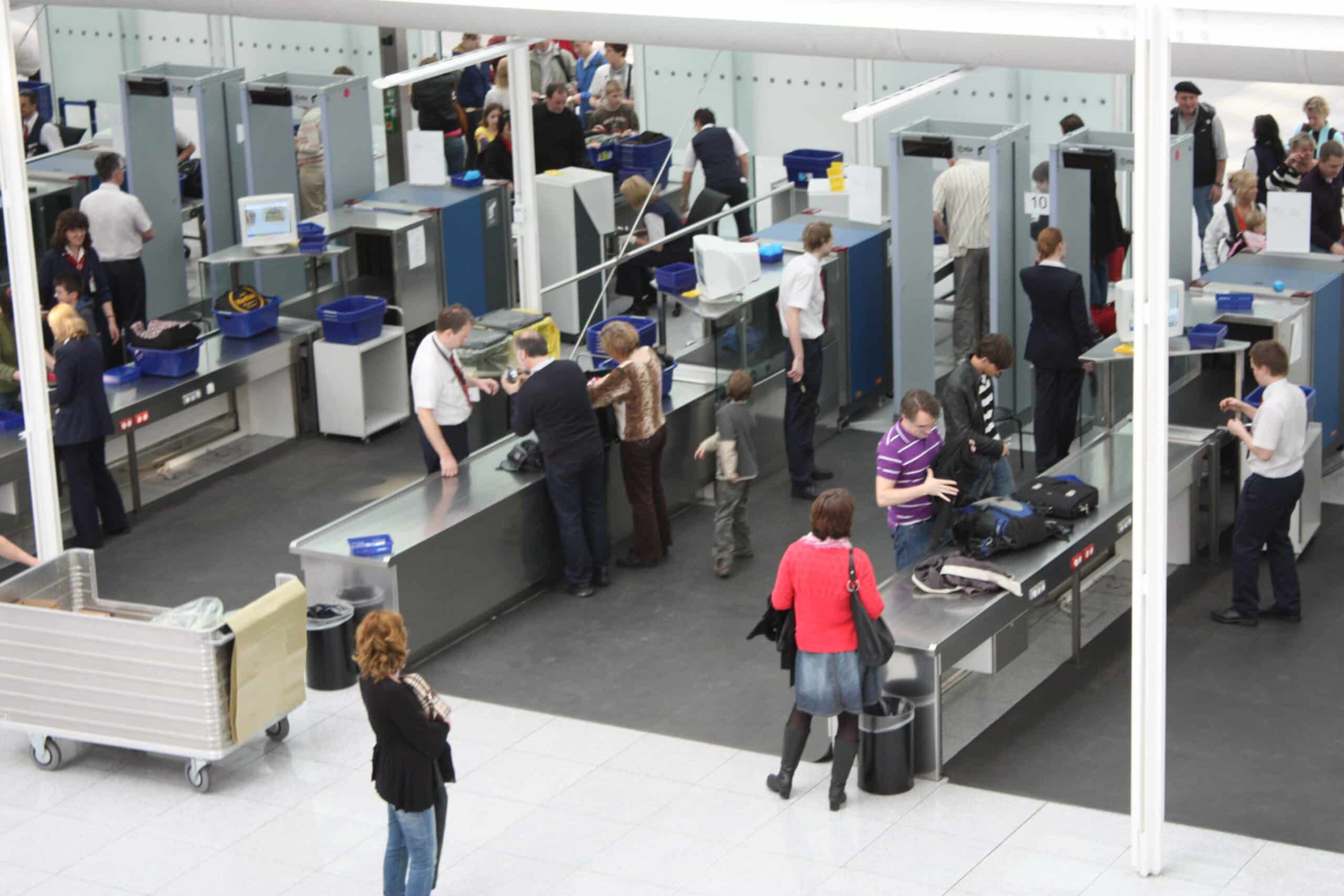
High-traffic venues like stadiums, arenas, convention centers, casinos, and large event spaces have one core challenge: screening a lot of people fast, without creating bottlenecks or sacrificing detection performance. The right security equipment supports three goals at once: strong deterrence, consistent weapon detection, and smooth entry flow that keeps guest experience intact.
The Core Security Equipment for Fast Entry Screening
Most high-throughput screening programs use a layered setup. Each layer handles a different risk and keeps the line moving.
Walk-Through Metal Detectors for Primary Screening
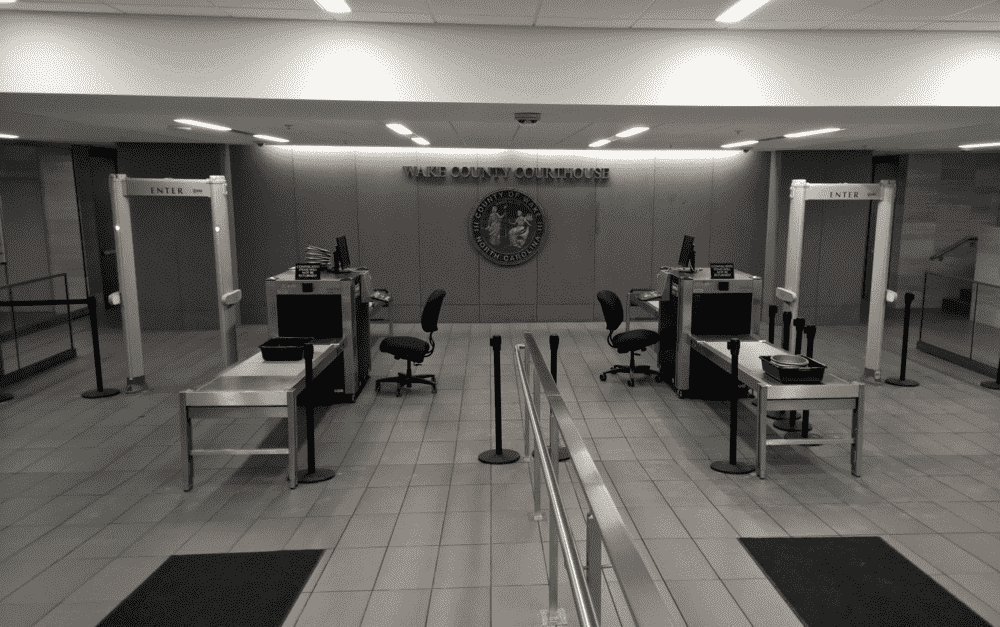
Walk-through metal detectors are the foundation for many venue entry points. They allow continuous screening with minimal friction and are well suited for high-volume lanes. Modern walk-through units typically support multi-zone detection, which helps staff identify where an alarm is coming from, reducing time spent on secondary checks and lowering frustration for guests.
They work best when you pair them with a clear policy at the entrance, consistent sensitivity settings, and trained operators who follow the same escalation process every time.
Handheld Metal Detectors for Secondary Screening
Handheld metal detectors are a necessary companion to walk-through screening. When the walk-through unit alarms, a handheld wand helps quickly locate the source and confirm whether it is a permitted item. This keeps secondary screening targeted and faster than repeating walk-through passes over and over.
Handheld units also help in lower-volume entrances, VIP points, staff entrances, and back-of-house access where a full lane may not be practical.
X-Ray Baggage Scanners for Bags and Backpacks
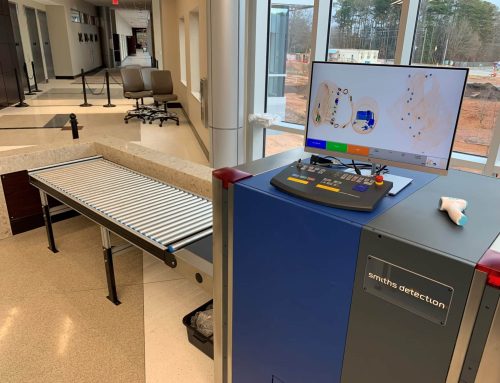
If your venue allows bags, you need a screening layer that can evaluate what is inside them. X-ray baggage scanners are built for that role. They reduce the need for manual bag searches and help identify prohibited items quickly. The key is matching scanner size and throughput to your real bag volume, then designing the lane so bags do not pile up and slow people down.
For many venues, the best results come from combining bag policy with x-ray screening. Smaller bags only, fewer bag types, and clear signage reduces congestion and improves screening consistency.
Open-Lane Weapons Detection for Continuous Flow
Some venues prioritize screening that feels less intrusive and keeps people moving in a more open walkway. Open-lane systems such as the CEIA OPENGATE® can be useful in high-traffic environments where space, speed, and guest experience are major factors. These solutions are commonly used for fast crowd movement, and they are often paired with targeted secondary screening to maintain strong detection while avoiding constant stops.
How to Design a High-Throughput Security Checkpoint
Equipment matters, but layout and process usually decide whether a checkpoint runs smoothly or turns into a bottleneck.
Lane Planning and Traffic Flow
A good entry design prevents cross-traffic and confusion. Every lane should have a clear start and end, with space for guests to prepare before they enter screening.
Practical flow elements that improve throughput:
- A preparation zone before screening, so people can remove metal items early if your policy requires it
- Stanchions that prevent line spillover into walkways
- A post-screening area where guests can step aside to reorganize without blocking the lane
Reducing Nuisance Alarms Without Lowering Security
High-traffic venues struggle with false alarms caused by everyday items. You can reduce nuisance alarms without compromising safety by using a consistent settings strategy, defining what items must be removed, and training staff to keep screening steps uniform.
A simple, repeatable process often beats complicated rules. The more variation you allow at the checkpoint, the slower it gets.
Staffing and Roles That Keep Lines Moving
High-performance screening uses clear roles:
- Greeter or prep staff to set expectations and keep people ready
- Operator at the detector or open lane to monitor alarms and maintain flow
- Secondary screener with a handheld detector to resolve alarms quickly
- Bag screening operator if x-ray is used, plus a support staff member for bag checks when needed
When roles are unclear, everyone improvises, and throughput drops.
Choosing the Right Setup for Your Venue
The best security equipment for high-traffic venues depends on a few real-world variables:
- Foot traffic peaks and how quickly crowds arrive
- Bag policy and bag volume per hour
- Space constraints at entrances
- Indoor vs outdoor conditions and power availability
- Risk profile and the types of prohibited items you need to detect
- Staffing levels and how much operator training you can support
If your venue hosts different event types, a flexible plan often works best, with a baseline setup for normal operations and surge capacity for peak events.
Security Screening Solutions from Point Security Inc
At Point Security Inc, we help high-traffic venues build screening setups that balance safety, speed, and guest experience. We supply the security equipment used at professional checkpoints, including walk-through metal detectors, handheld metal detectors, open-lane screening systems, and x-ray baggage scanners. We also help match equipment to your entry layout, expected throughput, and staffing model, whether you need a permanent installation or a rental program for event-based operations.