A human presence detection system is a security technology used to detect people hidden inside vehicles, containers, trailers, or other enclosed spaces. These systems are especially valuable in environments where manual inspection can be slow, difficult, or risky.
Instead of relying only on visual checks or unloading an entire vehicle, a human presence detection system helps security teams determine whether a person may be concealed inside. This makes it an important tool for border crossings, ports, correctional facilities, government buildings, military sites, and high-security vehicle checkpoints.
For facilities that need reliable vehicle inspection security, human presence detection adds another layer of protection against unauthorized entry, smuggling, escape attempts, and hidden intrusions.
How Human Presence Detection Systems Work
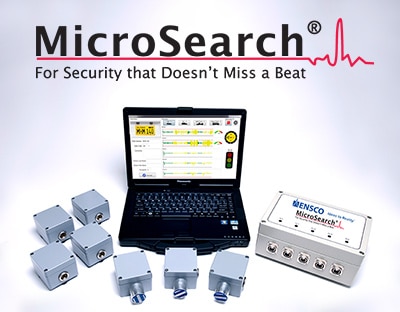
Human presence detection systems work by identifying small vibrations associated with the human body. When a person is hidden inside a vehicle or container, their heartbeat and body movement can create subtle vibration patterns. Sensors placed on the vehicle or container detect these signals and send them to a system that analyzes the data in real time.
The goal is not to create an image of the person. Instead, the system looks for signs that a living person may be present inside a space that should be empty. If the system identifies suspicious vibration patterns, it alerts the operator so the vehicle or container can be investigated further.
This approach can reduce the need for time-consuming manual searches, especially when screening large trucks, trailers, cargo containers, and service vehicles.
Why Hidden Person Detection Matters
Hidden person detection is critical because vehicles and containers can be used to bypass normal access control procedures. A person hidden in a truck, van, trailer, or cargo load may be attempting to enter a restricted area, escape a secured facility, cross a controlled border, or gain access to a high-value site.
In these environments, a missed detection can create serious security risks. Human presence detection systems help reduce that risk by giving officers and security teams a faster way to identify vehicles that require closer inspection.
This technology is especially useful when visual inspection is not enough. A sealed container, packed trailer, or loaded vehicle may appear normal from the outside while still concealing a person inside.
Common Applications for Human Presence Detection
Human presence detection systems are used in several high-security environments where vehicle and container screening is part of daily operations.
At border crossings and ports, these systems can help identify people concealed inside cargo vehicles or shipping containers. In correctional facilities, they can support perimeter security, vehicle gate screening, and escape prevention. At military bases and government facilities, they can help screen vehicles before they enter secure property.
They are also useful for critical infrastructure sites, transportation facilities, embassies, courthouses, and other locations where unauthorized entry could create major safety or operational risks.
Human Presence Detection for Correctional Facilities
Correctional facilities have unique security concerns. Vehicles may enter and exit for deliveries, waste removal, maintenance, food service, inmate transport, or contractor access. Each vehicle movement creates a potential security gap if it is not properly screened.
A human presence detection system can help correctional staff verify whether a vehicle or container may contain a hidden person before it enters or leaves the property. This can support both contraband control and escape prevention.
For jails and prisons, the value is not just detection. It is also consistency. A repeatable vehicle screening process helps reduce dependence on visual judgment alone and gives staff a more structured way to identify potential threats.
Human Presence Detection at Ports and Borders
Ports and border crossings often deal with large volumes of vehicles, containers, and commercial shipments. Fully unloading every vehicle is usually not practical. At the same time, failing to identify a hidden person can create serious legal, safety, and security consequences.
Human presence detection systems help screen vehicles more efficiently by identifying which ones may require secondary inspection. This allows security personnel to focus time and resources where they are most needed.
In high-volume environments, this can improve both security and operational flow. Vehicles that do not trigger concern can move through the process more efficiently, while suspicious cases can be escalated for further review.
Benefits of Human Presence Detection Systems
One of the main benefits of human presence detection is speed. Manual vehicle searches can take a long time, especially when cargo is packed tightly or when containers are difficult to access. A detection system gives operators a faster way to assess whether a vehicle may contain a hidden person.
Another important benefit is reduced disruption. Instead of unloading every vehicle or opening every container, security teams can use detection results to determine when a deeper inspection is necessary. This helps reduce delays while maintaining strong security standards.
Human presence detection also improves officer safety. Searching vehicles manually can expose staff to unknown risks. Using technology as an initial screening layer helps identify suspicious vehicles before officers move into a closer inspection.
Finally, these systems support a more consistent screening process. When every vehicle is checked using the same method, facilities can reduce gaps caused by fatigue, rushed inspections, or inconsistent judgment.
Wired vs Wireless Human Presence Detection Systems
Human presence detection systems may be available in wired or wireless configurations. The right option depends on the facility layout, vehicle screening process, and operational needs.
A wired system may be a good fit for fixed checkpoints where vehicles are screened in a controlled lane. These setups can provide a stable and repeatable process for locations with predictable traffic flow.
A wireless system may offer more flexibility when screening locations change or when teams need mobility. This can be useful for facilities with multiple inspection points, temporary operations, or more complex vehicle movement patterns.
The best choice depends on how the system will be used every day. A permanent gatehouse checkpoint has different requirements than a mobile inspection team or a temporary screening operation.
Building a Strong Vehicle Screening Process
A human presence detection system works best when it is part of a clear screening procedure. Equipment alone is not enough. Facilities should define which vehicles are screened, where screening happens, who operates the system, and what steps are taken when an alert occurs.
A strong process should include a designated screening area, trained operators, clear escalation procedures, and a safe location for secondary inspection. Staff should also understand how environmental conditions, vehicle movement, and nearby activity may affect the screening process.
The goal is to make human presence detection part of a consistent workflow. When the process is clear, operators can make faster decisions and security teams can respond more effectively.
Human Presence Detection Systems from Point Security Inc
At Point Security Inc, we provide human presence detection systems for facilities that need reliable vehicle and container screening. Our detection system offerings include MicroSearch G4.0 wired and wireless human presence detection solutions designed to help identify people hidden in vehicles or shipping containers.
We support customers across corrections, ports, border security, government facilities, transportation, military, healthcare, and other high-security environments. Our team can help evaluate your screening needs, recommend the right system configuration, and support implementation so your staff can operate the equipment with confidence.
For organizations that need to strengthen vehicle inspection security, human presence detection systems provide a practical way to improve safety, reduce manual search demands, and add a critical layer of protection at controlled access points.
 Choosing the Right X-Ray Tunnel Size