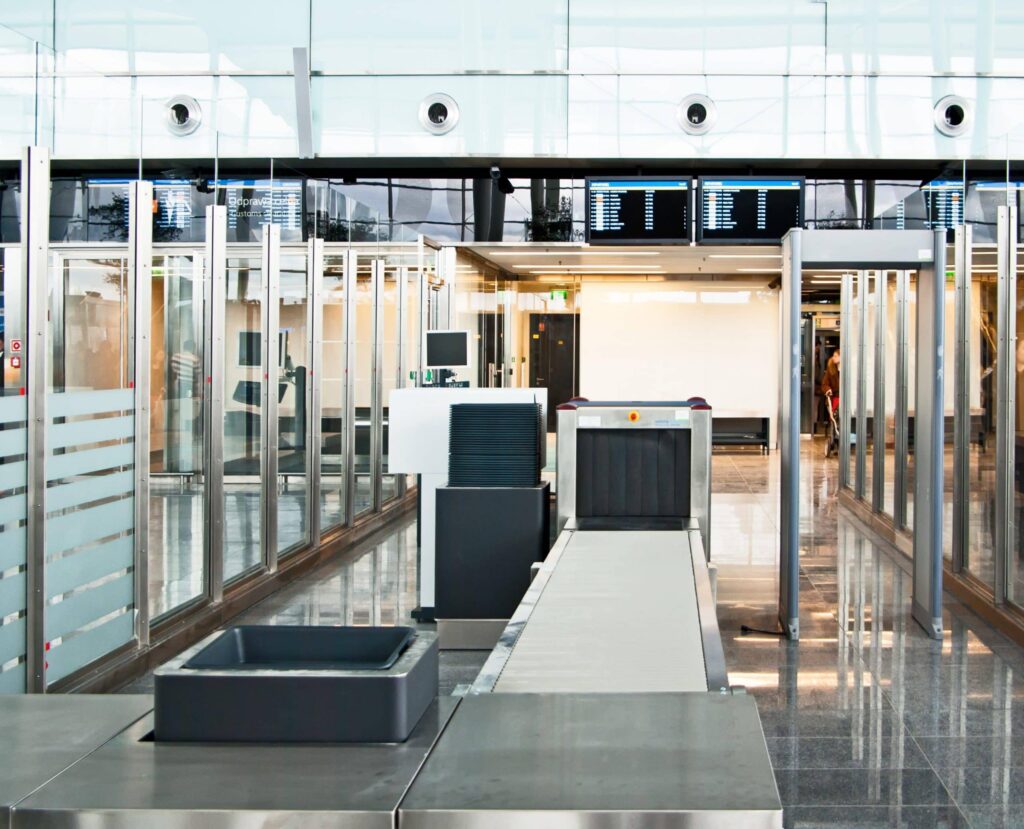
Parcels, packages, envelopes, and deliveries enter facilities every day, often through mailrooms, receiving docks, front desks, and service entrances. While most deliveries are routine, they can also create a security gap if they are accepted without proper screening. X-ray machines for parcel inspection help close that gap by allowing security teams to examine package contents without opening them. For many facilities, this makes parcel screening an important part of their overall security screening equipment strategy.
For government buildings, courthouses, corporate offices, logistics centers, correctional facilities, and public venues, parcel screening is an important part of a complete security program. It helps identify suspicious items before they move deeper into the building, reducing risk for employees, visitors, and security personnel. The right mail screening equipment can also make daily package handling more consistent, especially when deliveries come through multiple entrances or departments.
How X-Ray Machines Inspect Packages
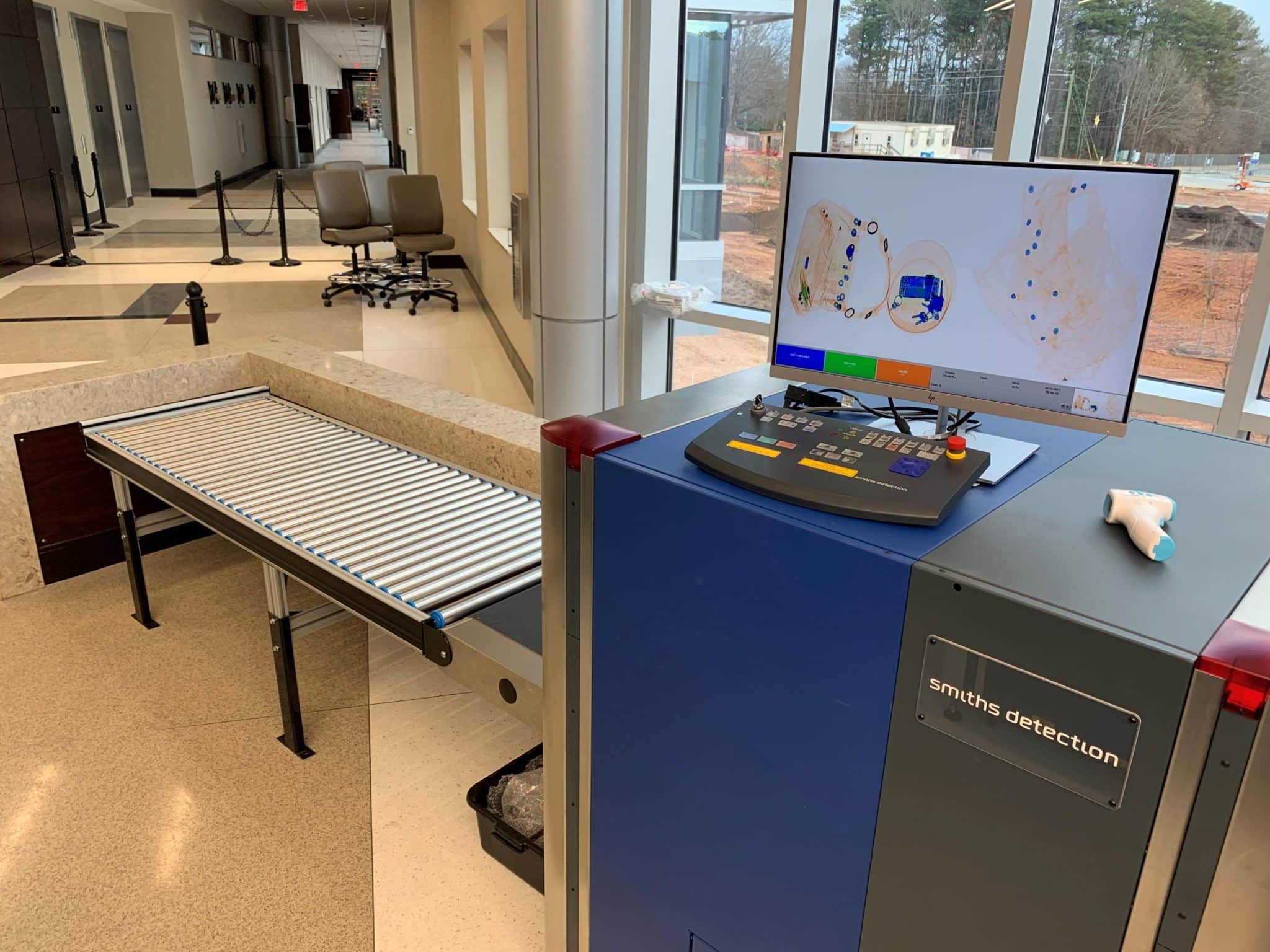
An x-ray parcel scanner works by sending low-intensity x-rays through a package as it moves through the scanner tunnel on a conveyor. Different materials absorb x-rays at different rates. Dense objects, such as metal components, absorb more energy, while lighter materials absorb less. The system captures this information and converts it into an image that the operator can review in real time.
This image gives the operator visibility into the shape, density, and arrangement of objects inside the parcel. Instead of relying on guesswork or opening every item manually, security staff can identify suspicious indicators and route questionable packages for secondary inspection. In this way, security X-ray machines help facilities screen mail, parcels, and deliveries more safely without slowing the process down unnecessarily.
What X-Ray Parcel Scanners Can Detect
X-ray machines for parcel inspection are used to identify threat indicators, prohibited items, and unusual concealment patterns. They can help operators spot weapons, sharp objects, dense components, batteries, wiring, hidden compartments, and irregular packaging arrangements.
In mailroom and receiving environments, operators often look for signs such as unusual density, objects that do not match the package type, concealed tools, device-like assemblies, or contents that appear intentionally hidden. While an x-ray scanner cannot always confirm exactly what a substance is, it can show when a package requires closer review.
This is especially useful when screening mixed deliveries, where ordinary items may be packed alongside electronics, documents, clothing, tools, or other materials that can make manual inspection inefficient. For offices and public facilities, mail X-ray inspection machines provide a practical way to review these mixed deliveries before they are distributed inside the building.
Choosing the Right X-Ray Machine for Parcel Inspection
Selecting the right x-ray machine depends on what your facility receives and how quickly packages need to be processed. A small office mailroom may need a compact scanner for envelopes and small parcels, while a government facility or receiving dock may need a larger tunnel and stronger conveyor system for boxes and bulk deliveries.
The most important selection factors include tunnel size, image quality, penetration capability, throughput, and operator workflow. Tunnel size should match the packages you screen most often. Image quality affects how clearly operators can identify suspicious shapes and density changes. Throughput matters when deliveries arrive in waves and the screening process needs to keep moving. For lower-volume facilities, a small parcel inspection machine may be enough. For higher-volume locations, larger X-ray scanners or more advanced X-ray scanning systems may be a better fit.
For higher-risk or higher-volume locations, dual-view x-ray systems may be worth considering. A dual-view scanner provides two angles of inspection, which can reduce uncertainty when items overlap or when packages are cluttered. This can help operators make faster, more confident decisions. Facilities that already use a security bag scanner or baggage X-ray machine at public entry points may also need separate mail X-ray equipment for packages that arrive through receiving areas or mailrooms.
Automated Threat Detection in Parcel Screening
Modern x-ray systems may also support Automated Threat Detection, often referred to as AI-assisted image analysis. This technology helps identify suspicious patterns in x-ray images and can highlight areas that require closer attention.
Automated Threat Detection is not a replacement for trained operators. Instead, it acts as an added layer of support. It can help reduce fatigue, improve consistency across shifts, and make it easier to prioritize packages that need secondary inspection. In high-volume parcel screening environments, this can be especially valuable because operators may review hundreds of images in a single day.
The best results come when technology, training, and process work together. The scanner provides visibility, the software can support detection, and the operator makes the final decision based on established procedures. When paired with reliable security X-ray scanning equipment, this approach can help teams maintain a more consistent screening process across busy shifts.
Where Parcel X-Ray Scanners Are Used
X-ray parcel inspection is useful anywhere packages are accepted before entering a controlled area. Common environments include mailrooms, courthouse entry points, municipal buildings, correctional facilities, corporate headquarters, event venues, and logistics operations.
In a courthouse, parcel screening may be used alongside walk-through metal detectors and x-ray baggage scanners at public entry points. In a corporate office, it may support mailroom staff who process daily deliveries. In a correctional facility, it may help screen incoming property, packages, and supplies before they reach secure areas.
The application may vary, but the goal is the same: inspect items consistently before they become a security risk. For facilities with frequent deliveries, security mail screening equipment can help create a safer path from package arrival to final delivery.
Building a Better Parcel Screening Process
The equipment is only one part of the solution. A strong parcel inspection process should define which items are screened, who operates the scanner, what happens when a suspicious item appears, and where flagged packages are isolated.
Facilities should also train operators using examples that match the types of packages they actually receive. A mailroom that handles envelopes and small parcels will have different screening needs than a receiving dock that processes large boxes and equipment shipments.
Consistent procedures help reduce mistakes. When every package follows the same screening path, the facility is less dependent on individual judgment and more likely to catch suspicious items before they move further inside. This is especially important for organizations comparing mail screening devices, because the best equipment choice depends on the facility’s layout, package volume, and risk level.
X-Ray Parcel Inspection Solutions from Point Security Inc
At Point Security Inc, we provide x-ray machines for parcel inspection designed to support real security operations. Our team helps organizations choose the right equipment based on package size, screening volume, facility layout, and security requirements.
Whether you need a compact scanner for a mailroom, a larger system for receiving areas, or a more advanced solution for high-risk environments, we can help you build a parcel inspection process that is practical, consistent, and effective. Our goal is to support safer facilities with dependable security equipment that fits the way your team actually works. If your organization needs mail and parcel inspection equipment, or security X-ray machines for a controlled entry or receiving area, Point Security Inc can help you compare options and request the right solution for your operation.